

Sacramento County: The Heart of Northern California
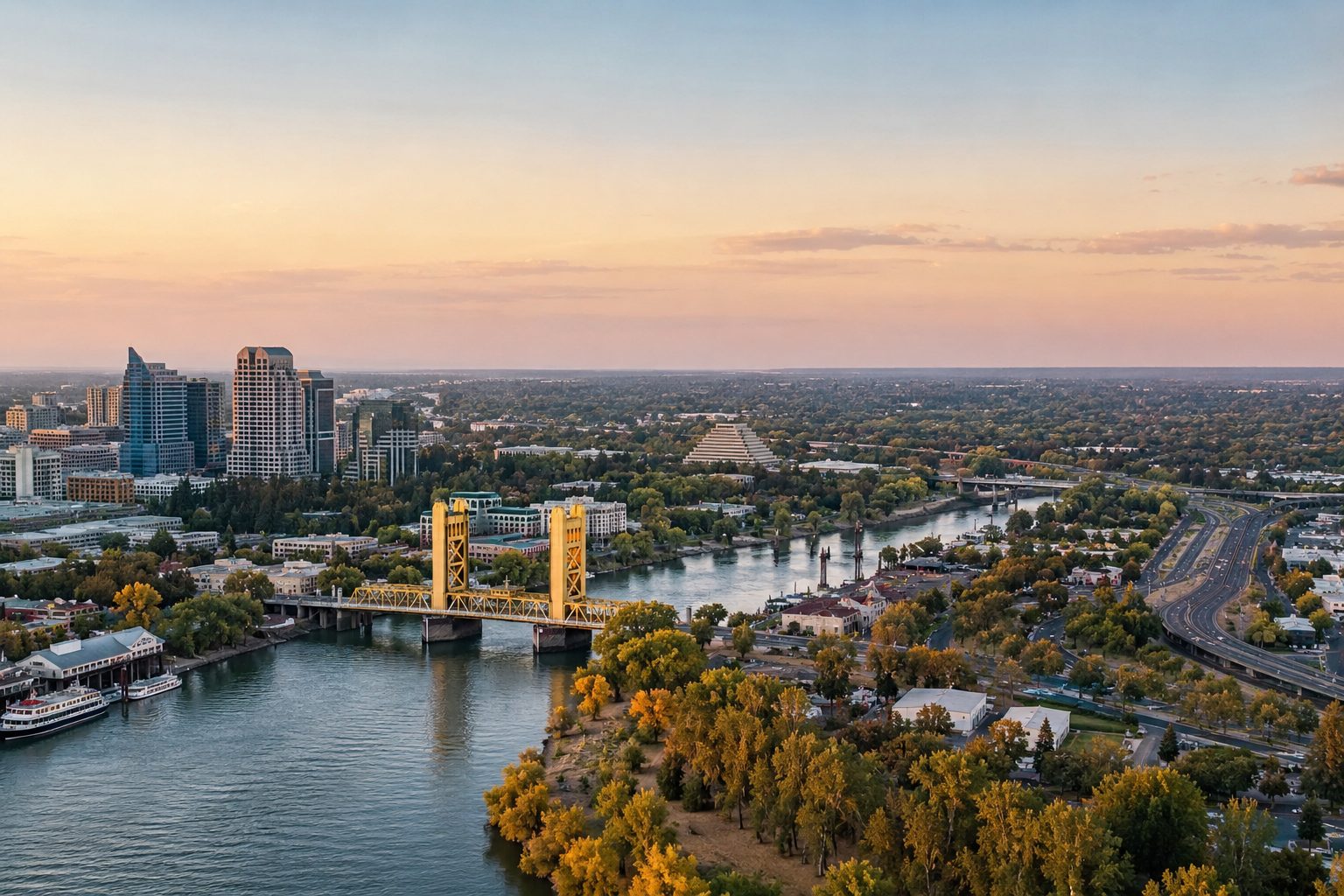
Spanning from the bustling urban core of the state capital to peaceful suburban master-planned developments and historic delta towns, Sacramento County offers an incredibly diverse real estate footprint. Known globally as the "Farm-to-Fork Capital," it seamlessly blends a thriving economy, rich cultural heritage, and deep-rooted community vibes—all at a significantly more accessible price point than the nearby Bay Area.
Sacramento County - Curated Neighborhood Breakdown
City of Sacramento
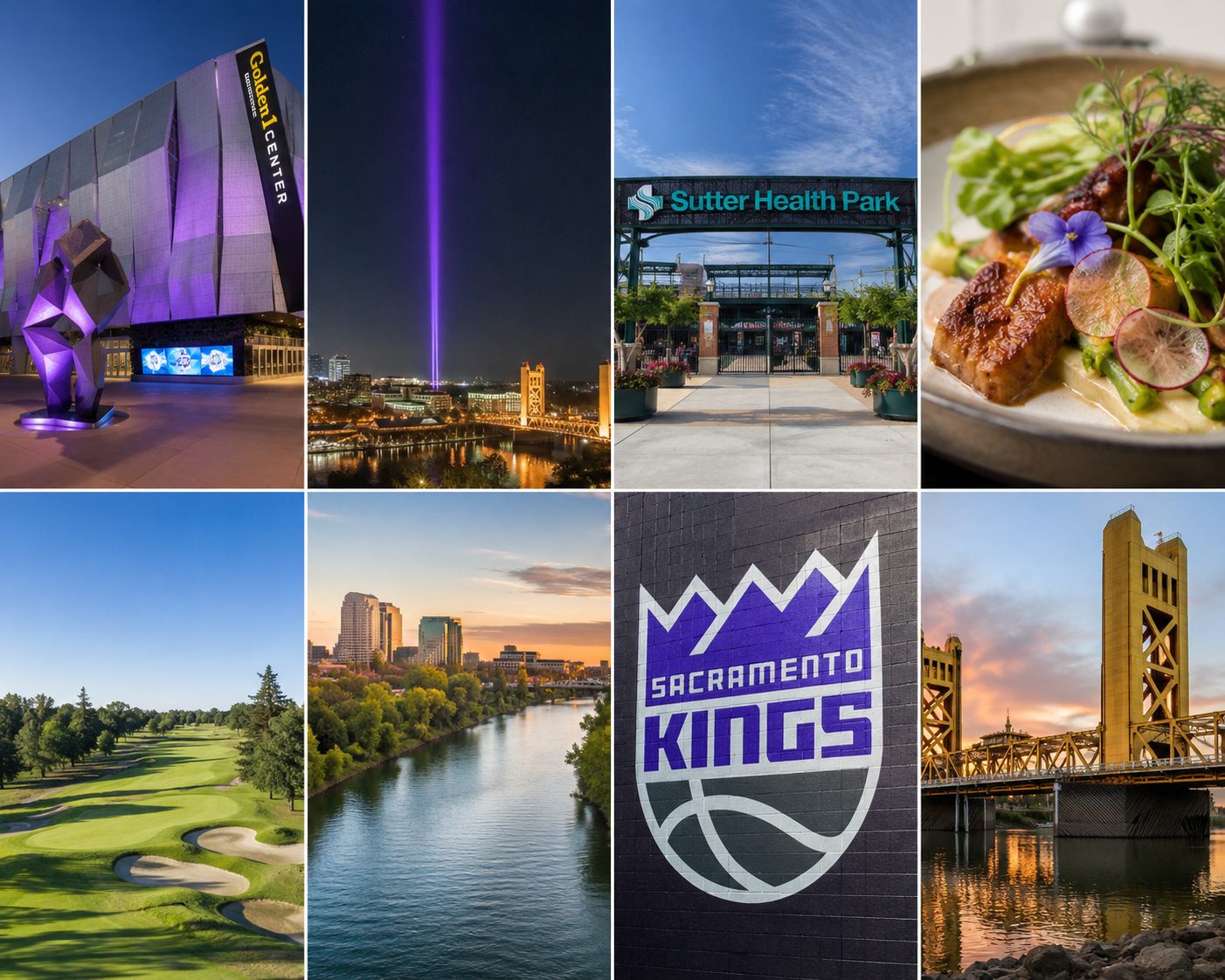
The City of Sacramento (encompassing Midtown, Downtown, Land Park, and East Sac) boasts an urban, historic, and vibrant cultural atmosphere characterized by iconic tree-lined streets and a bustling local energy. The local real estate landscape is structurally diverse, presenting a rich mix of historic Craftsman bungalows, sleek modern mid-rises, and stately brick estates. Living here means being steps away from the Golden 1 Center to catch a Kings game, exploring a legendary farm-to-fork dining scene, and enjoying weekend relaxation at scenic local parks.
Folsom
Folsom is a premier, family-focused tech hub that seamlessly blends a high-energy outdoor lifestyle with top-tier public education. The housing market features highly sought-after master-planned single-family neighborhoods alongside luxury hillside view properties that overlook the region. Residents enjoy a rich lifestyle balanced between the historic charm of Sutter Street shopping, extensive water recreation at Folsom Lake, and access to elite, award-winning public schools.
Elk Grove
Elk Grove stands out as a rapidly growing, highly diverse community fundamentally driven by robust family amenities and neighborhood safety. The real estate footprint offers expansive suburban developments featuring large lot sizes alongside a widespread selection of brand-new constructions. It has become a top choice for growing families thanks to its massive regional park systems, modern aquatic centers, and highly rated school districts.
Fair Oaks & Orangevale
Fair Oaks and Orangevale offer a peaceful, semi-rural charm featuring rolling hills, established oak canopies, and a unique local quirk where wild chickens famously roam the historic town centers. Homebuyers will find properties with spacious acreage, dedicated horse setups, and mid-century modern gems tucked quietly into mature nature. The lifestyle emphasizes community-centric events at Fair Oaks Village and direct, convenient access to the scenic American River Parkway trail system.
Natomas
Natomas (split into North and South regions) is a modern, exceptionally convenient, and commuter-friendly valley plain neighborhood. The housing inventory is dominated by contemporary tract homes, secure gated communities, and highly accessible starter properties that appeal to first-time buyers. Its primary geographic advantage is unbeatable transit convenience, offering an effortless 10-minute commute to both the Sacramento International Airport (SMF) and downtown.
Arden-Arcade
Arden-Arcade is a well-established, centrally located suburban neighborhood known for its convenient positioning and mature landscaping. The architectural landscape is incredibly varied, showcasing everything from mid-century modern ranches to massive, hidden luxury estates tucked behind private gates. This region is highly prized for its elite recreational amenities like the Del Paso Country Club, premier shopping centers, and short commute times to anywhere in the greater Sacramento area.
Outdoor Recreation and Lifestyle Index
They say location is everything, and Sacramento County’s geography is its ultimate superpower. Positioned perfectly between the snow-capped peaks of the Sierra Nevada and the coastal energy of the Bay Area, this region offers a lifestyle centered around seamless connectivity, vibrant culture, and natural beauty. Here is a closer look at the local recreation, dining, and outdoor highlights that make establishing roots in Sacramento County so rewarding.
The Rivers & Lakes
The confluence of the Sacramento River and American River defines the county's geography. The American River Parkway offers a pristine 32-mile multi-use trail for biking and running, while Folsom Lake serves as the ultimate local destination for boating, kayaking, and hiking.
Farm-to-Fork Dining
Surrounded by some of the most productive agricultural land in the world, the local culinary culture relies on direct farm sourcing. The region boasts a Michelin-starred dining experience (Kitchen) alongside hundreds of casual, hyper-local eateries.
Centrality & Transit
One of Sacramento County’s biggest selling points is geographical proximity. Residents can realistically drive 1.5 hours west to San Francisco or 1.5 hours east to world-class skiing in Lake Tahoe.
Professional Sports: Capital City Pride
For sports fans, Sacramento County offers a front-row seat to high-energy professional athletics right in your backyard. Downtown’s state-of-the-art Golden 1 Center is home to the NBA’s Sacramento Kings, anchoring a vibrant entertainment district where the iconic purple beam lights up the night sky after every home victory. Just across the river, Sutter Health Park offers an unparalleled baseball experience; it serves as the vibrant home of the Triple-A Sacramento River Cats (the San Francisco Giants' proud affiliate) while pulling double-duty as the host stadium for Major League Baseball's Athletics during their temporary multi-year residency. Best of all, your sports backyard doesn't end at the county line—living here puts you just a 1.5-hour drive from the Bay Area, making weekend trips to catch the San Francisco 49ers at Levi's Stadium or a Giants game at Oracle Park an effortless part of your local lifestyle.
Commute & Transit: Navigating the Capital Region
Whether you prefer to drive, carpool, or sit back on a train, Sacramento County features a highly connected grid that links its diverse suburbs to the downtown employment core. Navigating the region is anchored by four major freeway systems and an expansive public transit network, making it a highly manageable territory for daily commuters.
-
The Major Commute Corridors:
-
Highway 50: Connects the eastern communities of Folsom, Rancho Cordova, and the foothill suburbs directly to Downtown.
-
Interstate 5 & Highway 99: The primary north-south arteries, bringing commuters into the city from the southern hub of Elk Grove and the northern hub of Natomas.
-
Interstate 80: Cuts across the northern portion of the county, serving as the main pipeline between the Bay Area, North Highlands, Citrus Heights, and Placer County.
-
-
Sacramento Regional Transit (SacRT) Light Rail: For a stress-free, traffic-bypassing commute, SacRT operates a massive light rail network. The Gold Line provides seamless transit along the Highway 50 corridor from Folsom straight into Downtown, while the Blue Line connects north from Watt/I-80 down to Cosumnes River College in South Sacramento.
-
Air Travel & Global Connectivity: Located just 10 to 20 minutes from most central locations, Sacramento International Airport (SMF) serves as a major hassle-free transit hub. Offering non-stop flights to major domestic and international destinations, it’s a massive lifestyle perk for both business travelers and vacationers.
Sacramento County Region FAQ
As of 2026, the median home price in Sacramento County floats around $540,000 to $560,000, though pricing varies dramatically by neighborhood. It remains a highly attractive, accessible alternative to the neighboring San Francisco Bay Area.
-
Entry-Level Markets: Areas like North Natomas, South Sacramento, and parts of Antelope offer starter homes ranging from $420,000 to $490,000.
-
Mid-Tier Suburbs: Elk Grove, Rosemont, and Rancho Cordova feature established family tract homes from $500,000 to $650,000.
-
Premium Communities: High-end or historic pockets like Folsom, East Sacramento, Land Park, and hidden estates in Arden-Arcade consistently command averages between $750,000 to well over $1.5 million.
The top-performing public education systems in Sacramento County are the Folsom Cordova Unified School District and the Elk Grove Unified School District. Both consistently rank among the highest in Northern California for academic achievement, graduation rates, and extracurricular programming.
-
Folsom Cordova Unified: Exceptionally high-ranking high schools (like Folsom High) with heavy emphasis on STEM pathways and advanced placement programs.
-
Elk Grove Unified: Renowned for its diverse student body, specialized visual and performing arts programs, and cutting-edge career technical academies.
-
San Juan Unified: Offers elite localized choices, particularly in the Fair Oaks and Gold River neighborhoods, including top-tier visual arts and college-prep tracks.
Commute times generally range between 20 to 45 minutes during peak morning and evening traffic hours. The actual duration depends entirely on your suburban corridor and your proximity to major arteries like Highway 50, Interstate 80, or Interstate 5.
-
The Highway 50 Corridor (Folsom/Rancho Cordova): A 25–40 minute drive into the grid during morning rush hour, though the Gold Line Light Rail offers a stress-free alternative.
-
The I-5 / Highway 99 Corridor (Elk Grove): Heavy southern bottlenecking can push morning travel times to 35–50 minutes; early morning departures (before 7:15 AM) save significant time.
-
The I-80 Corridor (Natomas): The fastest suburban commute, typically taking just 10–15 minutes from North Natomas into Downtown or Midtown.
As the capital of California, government administration is the largest overall employment sector, but the region has heavily diversified into major private healthcare networks, technology, and logistics hubs.
-
Public Sector: The State of California, Sacramento County, and UC Davis stand as the area's largest primary employers.
-
Healthcare Giants: Major non-profit healthcare networks—including Kaiser Permanente, Sutter Health, Mercy/Dignity Health, and the UC Davis Medical Center—provide roughly one-fifth of the entire regional payroll.
-
Private Tech & Logistics: Major corporations like Intel (in Folsom), Apple (distribution hub in Elk Grove), and VSP Global (Rancho Cordova) anchor the suburban corporate landscape.
Sacramento County features a classic Mediterranean climate defined by hot, dry summers and short, mild, wet winters. The region experiences an average of 265 sunny days per year, making it an ideal destination for outdoor enthusiasts.
-
Summer Heat: July and August see average daytime highs in the low-to-mid 90s, with zero humidity. The heat is famously moderated in the evenings by the "Delta Breeze"—a cool marine air current flowing from the San Francisco Bay.
-
Winter and Rain: Winters are mild, with daytime highs typically in the mid-50s and nighttime lows hovering around 40 degrees. Nearly all of the region's 18 inches of annual rainfall occurs between November and April; snowfall in the valley is exceptionally rare.
-
Spring and Fall: These shoulder seasons offer highly desirable transition weather, with comfortable daily temperatures ranging from 65 to 80 degrees.
One of Sacramento County's primary selling points is its central geographic proximity, acting as a direct midway hub between the high-elevation Sierra Nevada mountains and the Northern California coastline.
-
To Lake Tahoe: Driving east via Highway 50 or Interstate 80 takes roughly 1.5 to 2 hours, giving residents effortless access to world-class ski resorts, mountain biking trails, and alpine boating.
-
To San Francisco: Driving west via Interstate 80 takes approximately 1.5 to 2 hours depending on coastal traffic, making day trips to the Bay Area highly manageable.
-
To Napa Valley: Wine country is located just over an hour away via Interstate 80 West and Highway 12, offering easy weekend access to world-renowned tasting rooms.
Public transit throughout the county is primarily managed by Sacramento Regional Transit (SacRT), which operates an expansive network of clean-energy buses and light rail trains connecting outer suburbs to the city center.
-
Light Rail System: SacRT runs a 43-mile light rail network. The Gold Line runs east-west along the Highway 50 corridor from Folsom to Downtown, while the Blue Line runs north-south from Interstate 80 down to South Sacramento and Elk Grove.
-
Commuter Rail: The Amtrak Capital Corridor train runs multiple daily routes straight through Sacramento, providing a relaxing, traffic-free rail commute down into the East Bay and San Francisco.
-
Microtransit Options: SacRT offers "SmaRT Ride," an on-demand, app-based shuttle service that provides affordable point-to-point neighborhood transit within specific suburban zones like Citrus Heights and Elk Grove.
Sacramento County hosts a dynamic calendar of massive regional events, agricultural celebrations, and cultural festivals that reflect its diverse community and agricultural roots.
-
The California State Fair: Held every July at Cal Expo, this massive multi-week event attracts hundreds of thousands of visitors for agricultural exhibits, live concerts, amusement rides, and industrial competitions.
-
Farm-to-Fork Festival: Celebrating the region’s status as America’s Farm-to-Fork Capital, this massive September festival takes over the Capitol Mall with local food vendors, craft breweries, estate wineries, and free live music.
-
Aftershock Festival: Recognizing the city's modern music scene, Discovery Park hosts the West Coast’s largest multi-day rock and heavy metal festival every October, drawing massive international touring acts and global crowds.
